
 Getting to know your woodlands- 2019 Woodland Stewards Webinar Series: 1 of 4


Webinar Details
When:
Feb 21, 2019 7:00 pm US/Eastern
Length: 02:00 (hh:mm)
Advance Registration NOT required.
View now on-demand.
Presenter(s):
- Dr. Don Bragg, Project Leader, USDA Forest Service
- Dr. Bill Hubbard, State Program Leader, University of Maryland
- Mr. Derrick Phinney, Natural Resources Program Leader, Clemson University
- Dr. Walt McPhail, DVM, Veterinarian & Tree Farmer
Virtual Event Format:
Group Viewing Available:
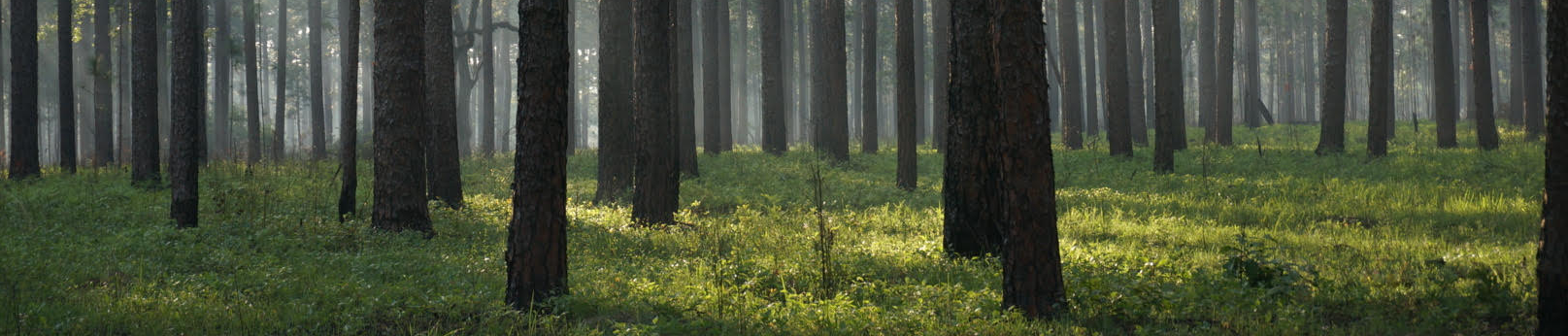
Southern forests are among the most diverse and productive in the world. These forests have evolved over tens of thousands of years through natural as well as human forces. Today’s Southern forests range from natural stands of hardwood, cypress, and pine to planted pines and even hardwoods from the mountains of Missouri and Virginia to the swamps of Louisiana and Florida. Landowners attending this session will learn how natural and human forests have shaped the forest in this region and the importance of this knowledge when developing management plans and practices on their forests.
1st of 4 webinars in the 2019 Woodland Stewards Webinar Series
Presenters:
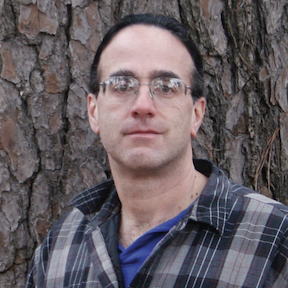 Dr. Don C. Bragg is a Project Leader with the USDA Forest Service located at the University of Arkansas in Monticello. Among his research interests is the role that people play in the development of forests and the evolution of landscapes. He is also interested in the ecology and management of pine forests.
 Dr. Bill Hubbard, is the State Program Leader for Environmental and Natural Resource Extension programs with the University of Maryland in College Park. He has spent 30 years as an Extension Forester in the state of Florida and in a regional position serving 13 southern land-grant universities and the USDA Forest Service. His educational background includes forest management and forest economics.
 Mr. Derrick Phinney, is the Natural Resources Program Team Leader for Clemson Cooperative Extension. He has over 18 years working in land management and environmental regulations. He has worked with landowners on establishing objectives, writing and implementation of management plans, timber sales, reforestation, prescribe burning, cost share programs, GPS, GIS mapping and endangered species assessments. He holds a Master of Forest Resources from Clemson University.
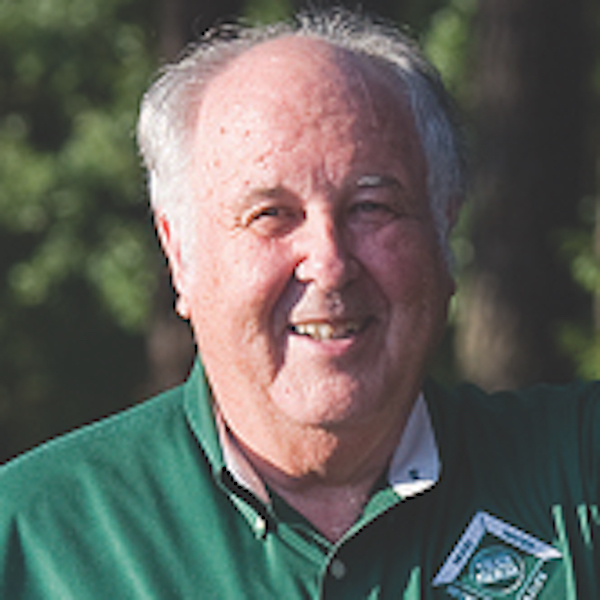 Walt A. McPhail, is a native South Carolinian, practicing veterinarian, and a distinguished Tree Farmer. He is the recipient of several national recognitions for sustainable forestry to include 2012 National Outstanding Tree Farmer of the Year by the American Tree Farm System and the 2011 National Forest Landowner of the Year by Forest Landowners Association. Walt is active on the local and state levels as an advocate for good family forestry practices and management. He is chairman of the South Carolina Forestry Commission’s Board of Commissioners.
Additional Woodland Stewards Webinars:
Additional Resources:
Online Tools
- Forest-A-Syst - a self-assessment guide, designed for a national audience, with the goals of helping new forest landowners articulate their objectives in a written management plan and foster a working relationship with a resource professional
- My Land Plan - My Land Plan can help you explore and discover how to manage your woodlands. Easy to use tools guide you to map your land, set goals, keep a journal and connect with woodland owners and foresters.
- Web Soil Survey - Online tool to access soil data and information produced by the National Cooperative Soil Survey.
- Google Earth Pro - Application for mapping
Web sites
- Extension Services:
- Arkansas: https://www.uaex.edu/environment-nature/forestry/
- Georgia: http://extension.uga.edu/topic-areas/environment-natural-resources/forestry.html
- Kentucky: http://forestry.ca.uky.edu/extension-home
- Maryland: https://extension.umd.edu/wye/ume-extension/forestry
- Mississippi: http://extension.msstate.edu/natural-resources/forestry
- Missouri: https://extension2.missouri.edu/find-your-interest/agriculture-and-environment/agricultural-systems-and-natural-resources/forestry
- North Carolina: https://forestry.ces.ncsu.edu/
- South Carolina: https://www.clemson.edu/extension/forestry/
- Tennessee: https://ag.tennessee.edu/fwf/Pages/UT-Extension---Forestry.aspx
- Virginia: https://www.ext.vsu.edu/forestry/
- Southern Regional Extension Forestry: https://sref.info/
- Cost Share Programs
Publications
- NC State Extension publication - Management Planning for Small Woodlots
- NC State Extension publication - A Guide to Managing Small Woodlots
- NC State Extension publication WON60 - A Short Guide to Modern Mapping Systems for Managing Woodlands


 Loading